1. The Callusing Phase: Building the Protective Barrier
The most common cause of propagation failure is "wet rot" - and it starts immediately. The moment you separate a leaf or cut a stem, you've created an open wound that's vulnerable to bacterial and fungal infection. This is where the callusing phase becomes critical.
What is a Callus?
A callus is a protective tissue barrier that forms over the wound. Think of it like a scab on human skin - dry, firm, and protective. Succulents naturally form this barrier as a defense mechanism, but only when conditions are right: dry and shaded.
The Biology Behind Callusing
When a succulent's tissue is wounded, cells at the edge begin to produce cork cells (suberized cells). These cells create an impermeable barrier that prevents water loss and blocks pathogen entry. This process takes 2-7 days depending on humidity and temperature. The warmer and drier, the faster the callus forms.
How to Callus Properly
- Leave in a dry location: A shelf away from humidity. If you have a humidifier, move your propagations away from it.
- Provide shade: North-facing window or indoor shelf. Direct sun will dry out the cut too aggressively and may damage the leaf.
- Be patient: 2-7 days is the range. Smaller leaves (Echeveria, Sedum) may callus in 3-4 days. Larger leaves or thick stems (Aeonium, Jade) may take 5-7 days.
- Check the progress: The cut should feel dry to the touch and have a slightly tan or white appearance. If it's still translucent or weeping fluid, wait another day or two.
What Happens If You Skip This Step?
If you place a fresh, uncallused cutting directly into moist soil, water enters the wound immediately. The leaf has no root system yet, so it can't absorb and transpire that water. Instead, the wound becomes a breeding ground for rot-causing bacteria and fungi. The tissue turns black or mushy within days. This is why "wet rot" is the #1 killer of succulent propagations.
2. Specialized Propagation Media: The Case for Gritty Mix
Standard potting soil is your enemy when propagating succulents. Most potting soils are 50-80% organic material - peat moss, bark, coir - designed to retain moisture for typical houseplants. For succulents, this is a recipe for root rot.
Why Succulents Need Different Soil
Succulents have adapted to survive in water-scarce environments. Their roots are designed to function in fast-draining, low-moisture conditions. When you use regular potting soil:
- Water saturates the soil and stays for days
- Roots can't absorb fast enough, leading to rot
- Fungal and bacterial growth accelerates in wet conditions
- Developing roots are more susceptible to disease
The Ideal Propagation Mix
You need a "gritty" mix with at least 50% inorganic material. Inorganic materials don't retain water - they create air pockets that allow roots to develop without constant moisture.
Recommended Inorganic Materials:
- Perlite: Lightweight, airy, retains minimal water. Most common choice.
- Pumice: Heavier than perlite, slower drainage, longer lifespan. Ideal for long-term propagations.
- Coarse Sand: Inexpensive, drains fast, but can compact over time. Mix with other materials.
- Crushed Lava Rock: Excellent drainage, very porous. Can be sharp - handle carefully.
Sample Mix Ratios:
- 50% perlite + 50% potting soil (minimum viable)
- 60% perlite + 40% potting soil (preferred)
- 70% perlite/pumice + 30% potting soil (for very humid climates)
- 50% perlite + 50% coarse sand (budget option)
Why Air Is as Important as Drainage
An inorganic mix creates air pockets throughout the soil. These pockets allow oxygen to reach developing roots. Roots need oxygen to respire and create the energy needed to absorb water and nutrients. In a saturated organic soil, roots are suffocated and become susceptible to anaerobic bacteria.
3. Light Management: The "Golden Mean"
Here's a paradox: succulents love light, but propagating succulents requires careful light management. Why? Because a rootless leaf or stem has no root system to replace water lost through transpiration.
The Transpiration Problem
Transpiration is the process of water evaporating from leaf surfaces. In an established plant with roots, the plant absorbs water to replace what's lost. But a propagating leaf has no roots yet. If you expose it to direct hot sun, water evaporates faster than the leaf's internal stores can maintain it, and the leaf shrivels or dries out entirely.
The Trap: Direct Afternoon Sun
Placing rootless cuttings in direct afternoon sun (especially south or west-facing windows) is one of the easiest ways to kill them. The heat causes rapid transpiration, and without roots, the leaf dries out from the inside.
The Solution: Bright, Filtered Light
Provide bright light without the heat. This gives your propagations photosynthesis without the desiccation risk.
Best Light Conditions for Propagations:
- North-facing window: Bright but indirect, perfect for propagations
- Shaded porch (outdoors): Under a tree or behind a structure, receives bright light but filtered
- Grow lights: Positioned 6-12 inches above propagations, on for 12-14 hours daily (ideal for winter)
- East-facing window: Morning sun (gentler) without afternoon heat
Avoid:
- South-facing windows with afternoon sun
- West-facing windows after 2 PM
- Humidity domes or enclosed spaces (trap heat and moisture)
- Direct grow light contact without sufficient distance
Light and Root Development
Once pink roots appear, light becomes less critical. The plant now has an active root system that can replace transpired water. You can gradually move propagations to brighter conditions as they develop roots.
4. Hydration Strategy: Three Critical Phases
Watering is where most propagators go wrong. The instinct is to keep the soil "moist," but this is exactly backwards. Propagating succulents requires a completely different watering strategy than established plants.
Phase 1: No Roots (Days 1-10, approximately)
Do not water. This is the hardest part for beginners. Your leaf or cutting is living off internal water stores. It has no roots and cannot absorb water from the soil. Any moisture in the soil increases the risk of rot. This phase ends when you see tiny pink root bumps emerging from the callus.
Practical tip: Resist the urge to mist. Even light misting can create humidity that encourages rot. Keep the soil completely dry.
Phase 2: Pink Roots Appearing (Days 10-25, approximately)
Light misting or bottom watering only. The moment you see tiny pink root bumps, the plant is ready for controlled moisture. But regular watering would wash out the fragile roots. Instead, use one of two methods:
- Light misting: Mist the soil surface once every 3-5 days with a spray bottle. Just enough so the top 0.5 inch is barely damp.
- Bottom watering: Place the propagation pot in a tray of water for 10-15 minutes, then remove. The soil wicks moisture from below without wetting the leaves.
Why this works: Light moisture encourages the roots to grow downward in search of water. This creates a stronger, deeper root system. Full watering would oversaturate the soil and rot the fragile roots.
Phase 3: Established Pup (Days 25+)
Standard "Soak and Dry" method. Once the mother leaf has shriveled and the pup has multiple roots and its own small leaves, it's ready for standard succulent watering. Water thoroughly until it drains from the bottom, then wait for the soil to dry completely before watering again (typically 10-14 days).
The transition: You'll know when to transition when the original leaf is papery thin and the new pup has 3-5 small leaves of its own.
The "Soak and Dry" Philosophy
Succulents thrive on a boom-and-bust watering cycle. They're adapted to environments where water arrives in short bursts (rainfall) followed by long dry periods. Frequent light watering mimics a humid environment they don't naturally encounter, leading to weak roots and rot vulnerability.
5. Identification: Know Your Propagation Method
Not all succulents propagate the same way. Some produce viable leaves for propagation. Others require stem cuttings. Still others only propagate from offsets (pups) at the base. Knowing your plant's method before you start saves months of wasted effort.
The Three Propagation Methods
Leaf Propagation
Best for: Echeveria, Graptopetalum, Sedum, Aeonium (from leaves)
Individual healthy leaves detach and root on their own. Nearly foolproof once you master callusing and hydration. Each leaf can produce 1-3 pups.
Stem Propagation
Best for: Crassula (Jade), Aeonium, Kalanchoe, many Succulentaceae
Cut 2-4 inch stem segments, callus, then plant. Woody stems benefit from rooting hormone. Faster than leaf propagation but requires more material.
Offset Division
Best for: Aloe, Haworthia, Gasteria, Agave
Remove rosettes that already have small root nubs. Separate and pot individually. Most reliable method but only works for offset-producing species.
Not Sure Which Method Your Plant Uses?
Visit our Identify Your Plant guide to find your specific succulent and get a custom propagation roadmap.
Browse the Identification Guide →6. Hormone Usage: Speed and Protection
Rooting hormone isn't required for succulent propagation, but it's one of the highest-ROI tools you can use. Especially for difficult species, rooting hormone can mean the difference between 40% and 90% success rates.
What Does Rooting Hormone Do?
Rooting hormone (typically indole-3-butyric acid or IBA) serves two purposes:
- Accelerates root development: Signals the plant to prioritize root formation. Propagations treated with hormone often root 20-30% faster.
- Provides anti-fungal protection: Most commercial rooting hormones include fungicides that reduce rot risk during the critical early phase.
Types of Rooting Hormone
Powder: Traditional form. Lightly dust the callused cut before planting. Less messy than gel, but can wash off during watering.
Gel: Thick liquid that adheres well to the cut. Better for cuttings that will be exposed to water or humidity. Slightly more expensive.
Liquid: Diluted in water for misting or soaking. Best for large-scale propagations, but harder to control dosage.
When to Use Rooting Hormone
- Always for: Woody stems (Jade, mature Aeonium), difficult species, or when you want maximum speed
- Optional for: Easy species like Echeveria or Sedum (they root readily without it)
- Not needed for: Offset division (these often already have small root nubs)
Application Method
After the callus has formed (2-7 days), lightly moisten the callused cut with water. Dip it in rooting hormone powder or apply a small dab of gel. Then plant as usual. Don't over-apply - a light coating is sufficient.
7. Seasonal Timing: Work With Growth Cycles, Not Against
Succulents aren't static year-round. Most have distinct active and dormant seasons. Propagating during active growth can increase success rates by 40-60% compared to dormant-season propagations.
Active and Dormant Seasons
Different species have different cycles, but most fall into one of two patterns:
Summer Growers
Active: Spring-Summer
Dormant: Fall-Winter
Examples: Echeveria, Sedum, Graptopetalum, Jade (Crassula)
Best to propagate: April–July. Roots form faster, and the pup has the whole summer and fall to establish.
Winter Growers
Active: Fall-Winter
Dormant: Summer
Examples: Aeonium, Aloe, some Kalanchoe
Best to propagate: September–March. Aeoniums especially slow to root in summer heat.
Why Seasonal Timing Matters
During active growth, plants allocate resources to creating new tissue and roots. Hormonal signals favor growth. During dormancy, plants conserve energy. A propagation started during dormancy may sit inert for weeks before rooting begins.
Year-Round Propagation (For Impatient Growers)
If you can't wait for the "right" season, increase your odds with:
- Grow lights: Extend daylight hours to simulate growing season
- Rooting hormone: Bypass the plant's natural dormancy signals
- Warmth: Keep propagations at 70-75°F (21-24°C) for optimal root development
- Humidity control: Slightly higher humidity (but not wet) can speed rooting in slow seasons
Common Seasonal Mistakes
- Propagating Aeoniums in summer: They're dormant. Most won't root until fall/winter.
- Starting propagations in late fall (cold climates): Low light and cold temperatures slow rooting. Wait until spring or use grow lights.
- Expecting fast results from a dormant plant: Patience is required. Dormant propagations can take 2-3x longer.
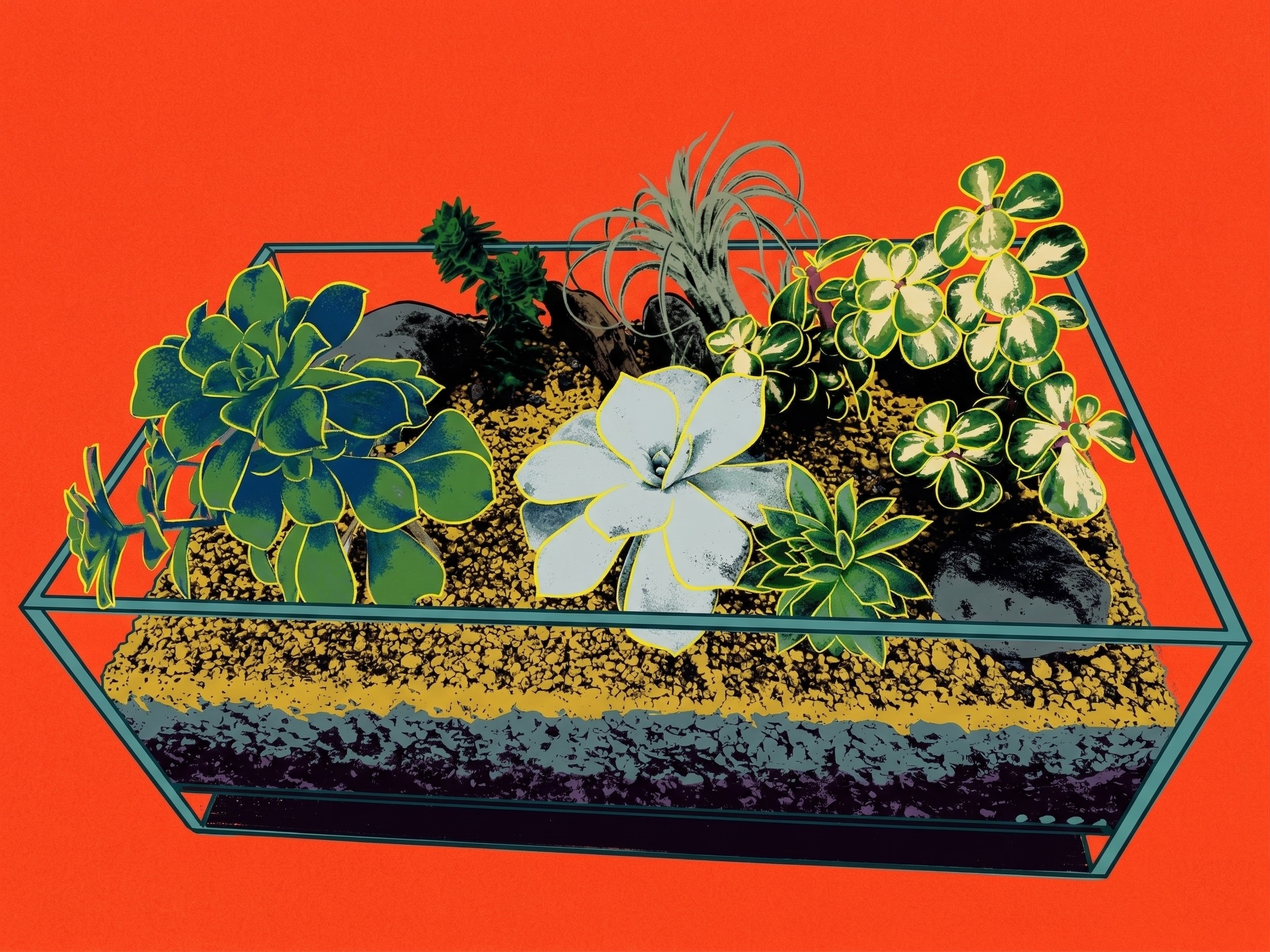
A 12-week propagation tray showing the full lifecycle: callused leaves, early root development, and established pups ready for individual pots.
Additional Resources
Now that you understand the biology and methodology, explore these companion guides:
Success vs Failure
See side-by-side photos of healthy pups vs. early rot signs. Know what to look for.
Rot Diagnostic Hub
Is that black spot rot? Can the plant be saved? Identify your problem and find solutions.
Cold Climate Propagation
Propagating in Canada, the Midwest, or Northern Europe? Winter-proof your setup with these strategies.
Identify Your Plant
Find your specific succulent and get a custom propagation roadmap tailored to its needs.