.jpg)
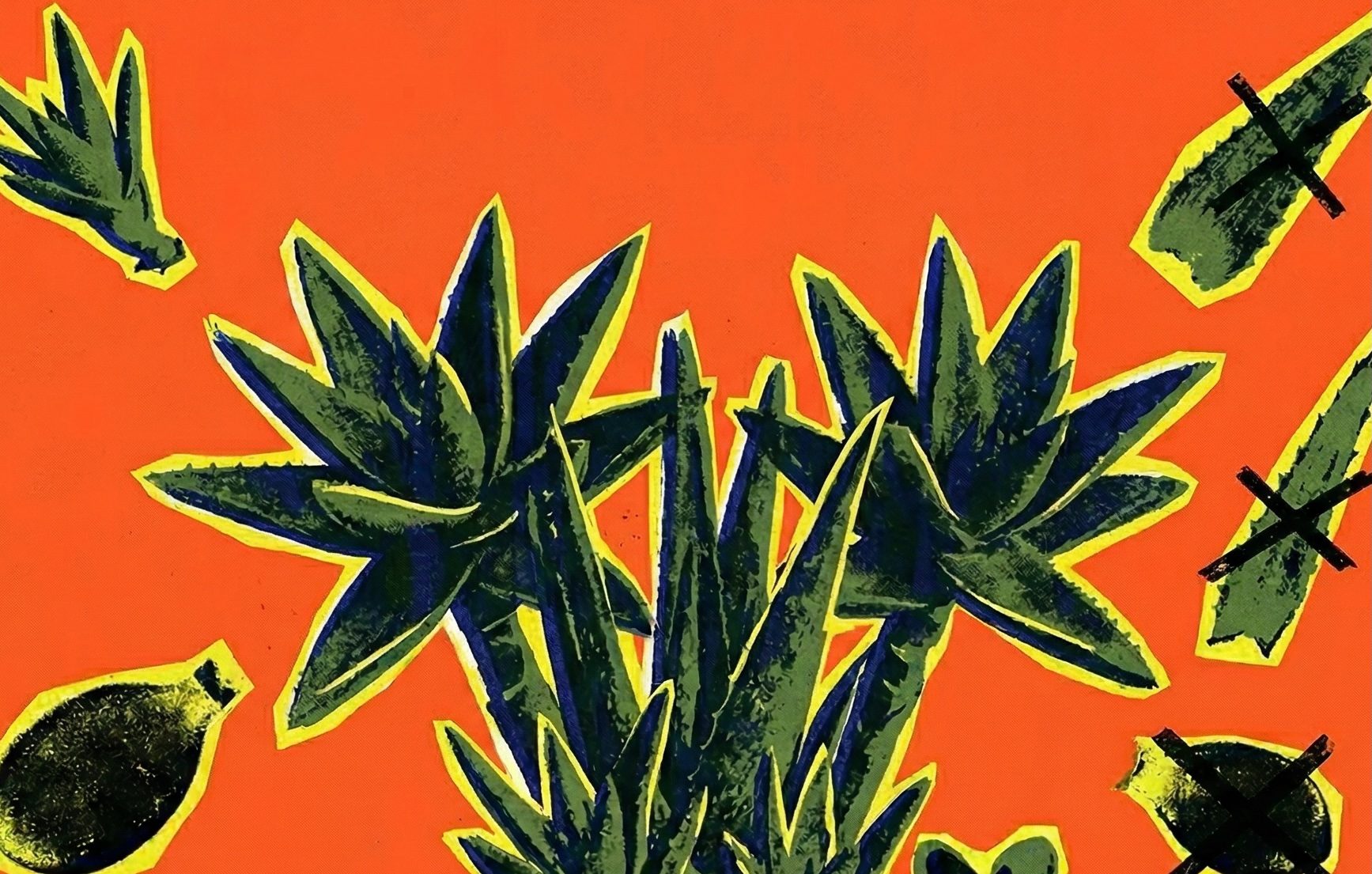

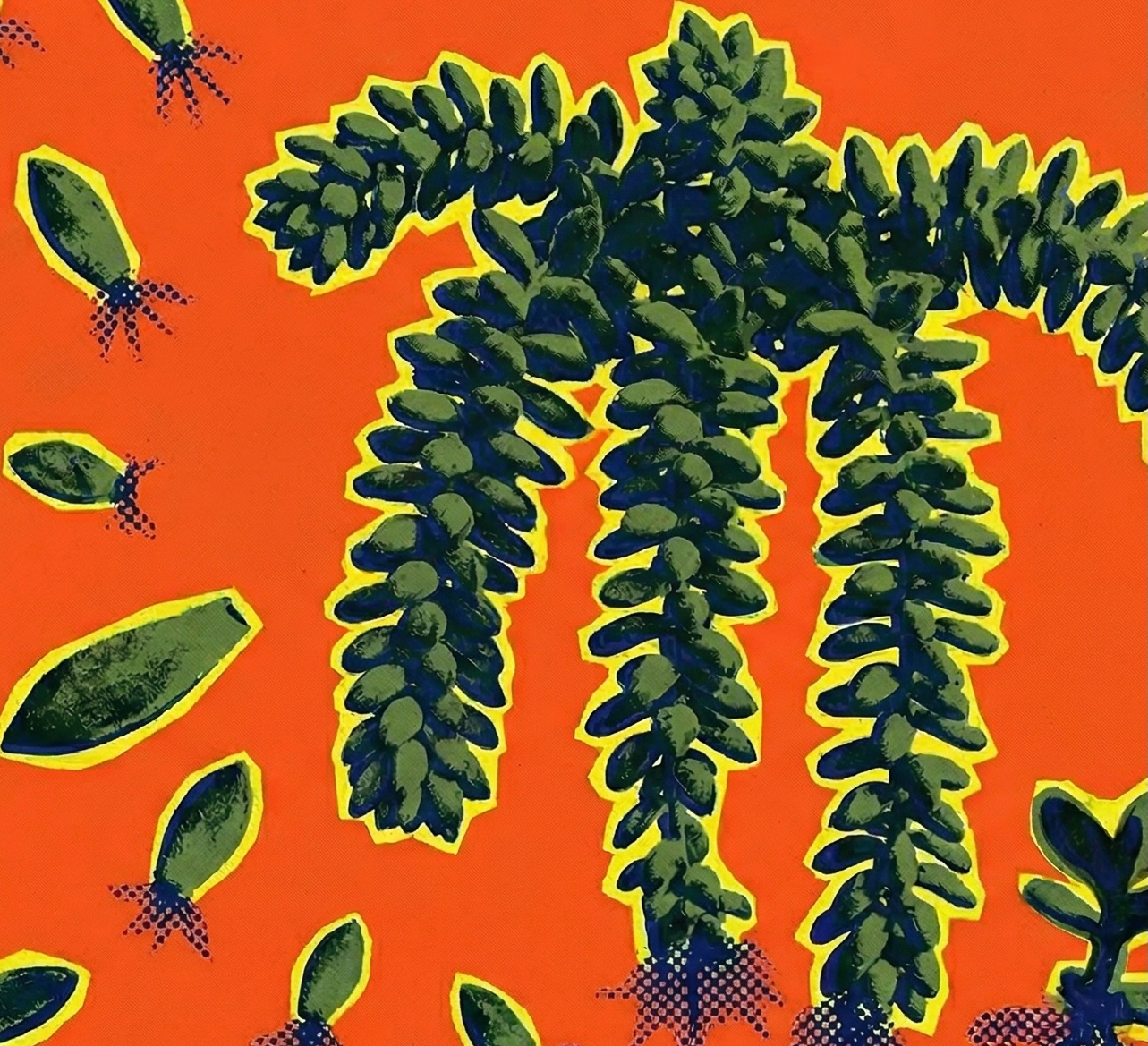
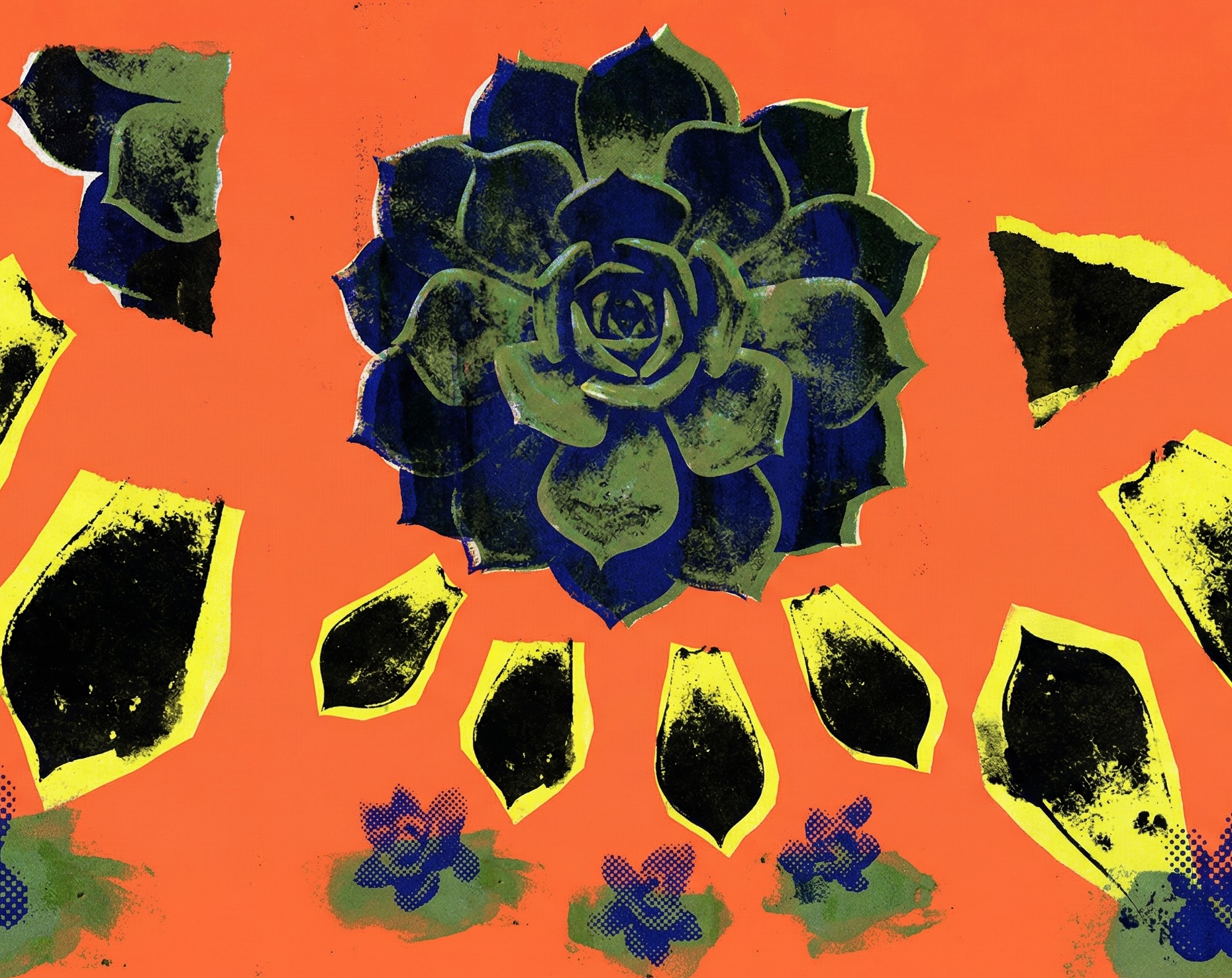
Echeveria
Leaf Propagation
The classic rosette succulent. One of the easiest to propagate from individual leaves. Echeveria are forgiving and produce pups quickly once callusing is complete.
Propagation Roadmap
Select & Harvest (Day 1)
Choose plump, healthy leaves from the base of the rosette. The older, outer leaves propagate best. Twist gently to achieve a clean break at the base - don't pull or snap.
Callus Formation (Days 1–5)
Place leaves on a dry surface in bright indirect light. This is where the wound heals into a protective callus - a dry, tan/white scab-like layer. No water needed. This step is critical to prevent rot.
Prepare the Soil (Day 3–5)
Fill shallow trays with gritty soil mix (50%+ perlite or pumice). The goal is fast drainage and air circulation. Dampen the mix lightly - not soaking, just moist.
Plant on Soil (Day 5–7)
Once callused, place leaves gently on top of the soil. Don't bury them - they should rest on the surface. The flat side contacts soil; the tip points up slightly.
Root Development (Days 7–21)
Keep in bright indirect light (12–14 hours daily if indoors). Mist lightly once per week. Roots should appear in 2–3 weeks as fine pink/white threads at the base.
Pup Formation (Days 21–42)
Once roots appear, small green rosettes (pups) will emerge from the base of the leaf. Continue misting. Now you can water lightly at the soil level - not the leaf.
Establishment (Days 42+)
After 4–6 weeks, pups develop their own root systems and are ready to transition to individual pots. Wait until roots are 0.5+ inches long before separating.
Echeveria-Specific Tips
- Best Season: Spring and early summer propagate fastest. Winter propagation is slower but possible with grow lights.
- Humidity: Echeveria are tolerant. Avoid high humidity (above 60%) which increases rot risk. Mist only after roots appear.
- Light: Bright indirect light is essential. Too little light causes etiolation (stretching); too much direct sun can scorch young pups.
- Failure Pattern: Most failures happen in the first 5 days if leaves aren't callused, or if they're watered too early. Trust the process.
- Success Rate: 70–85% of properly harvested leaves will successfully propagate. This is one of the most forgiving methods.